
How to choose a moisturiser for your skin type
Finding the right moisturiser is a foundational step in any skincare routine. This guide explains how to identify your skin's needs and choose a formula that works for you, from texture to ingredients.
By Maya Okafor · Updated 8 October 2026
Fashion Help Center may earn a commission when you buy through links on this page. This never affects which products we choose or what we say about them. Learn more.
Finding the right moisturiser starts with understanding your skin type and preferred texture. Consider ingredients and where you shop to select a formula that provides the right level of hydration for you.
A good moisturiser does more than just hydrate the skin. It helps to support the skin's natural barrier, locking in moisture and protecting it from environmental stressors. With countless textures and formulas available, however, choosing the right one can feel complicated. The key is to match the product to your skin's specific needs, which is the most crucial step in building a simple and effective skincare routine.
This one product is a daily skincare staple, so it is worth spending time to find a formula your skin tolerates well. Understanding the main skin types and the textures best suited to them is the best place to start.
Understanding Skin Types and Textures
Identifying your skin type is the first step. Dry skin typically feels tight, may look dull, and can sometimes be flaky. It naturally produces less sebum, or oil, so it benefits from richer textures that provide lasting hydration and seal in moisture. Look for creams and balms containing ingredients like ceramides and shea butter, which help to support the skin's lipid barrier.
Oily skin is characterised by excess sebum production, which can lead to visible pores and a persistent shine. The aim is to provide hydration without adding extra oil or clogging pores. Lightweight lotions and gel-creams are ideal, as they absorb quickly and leave a matte or satin finish. Look for formulas described as 'non-comedogenic'.
Combination skin has both oily areas, usually the T-zone (forehead, nose, and chin), and dry or normal areas, often the cheeks. You might choose to use two different products, but many find a mid-weight lotion works well across the whole face. It provides enough moisture for dry patches without overwhelming oily zones.
Sensitive skin is prone to redness and irritation. The best approach is simplicity. Opt for moisturisers with short ingredient lists and no added fragrance or alcohol, which can be common triggers for reactions. Patch testing a new product on a small area of skin is always a sensible precaution.
Considering Key Ingredients
Beyond texture, certain ingredients are known for their hydrating properties. Humectants, such as hyaluronic acid and glycerin, draw moisture from the air into the skin. Emollients, like squalane, help to soften and smooth the skin's surface. Occlusives, including petrolatum or lanolin, form a physical barrier to prevent water loss. Many moisturisers contain a combination of these.
Some formulas also include active ingredients that target other concerns. These might include antioxidants like Vitamin C to protect the skin, or niacinamide, an ingredient that can help regulate oil production and improve skin tone. If you have persistent skin concerns, such as acne or rosacea, it is best to consult a GP or dermatologist for tailored advice.
Where to Buy: Pharmacy vs. Department Store
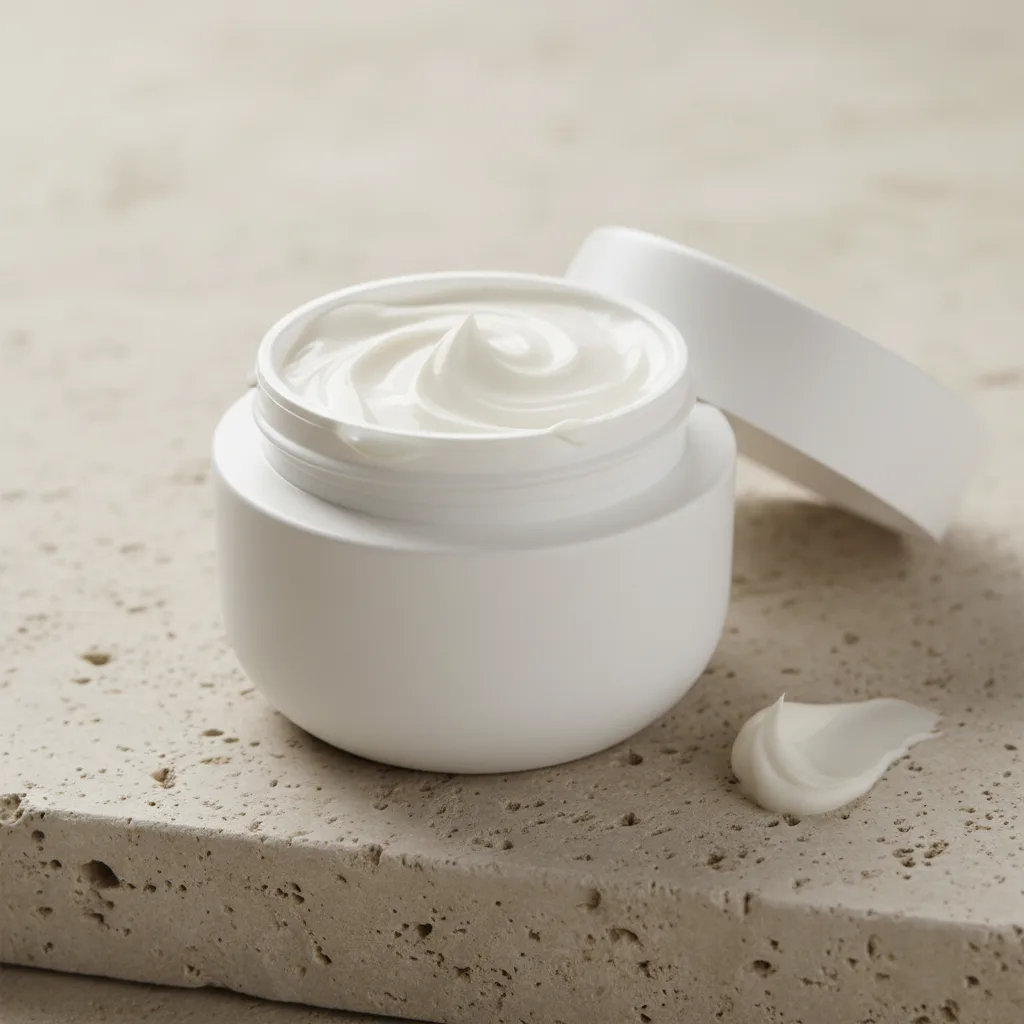
The skincare market can be broadly divided into different tiers, each with its own approach. Pharmacy and high street brands often produce functional, accessibly formulated skincare. These ranges are frequently developed with sensitivity in mind, offering fragrance-free options and focusing on supporting the skin barrier with proven ingredients. The packaging is typically straightforward and practical, such as pumps or tubes.
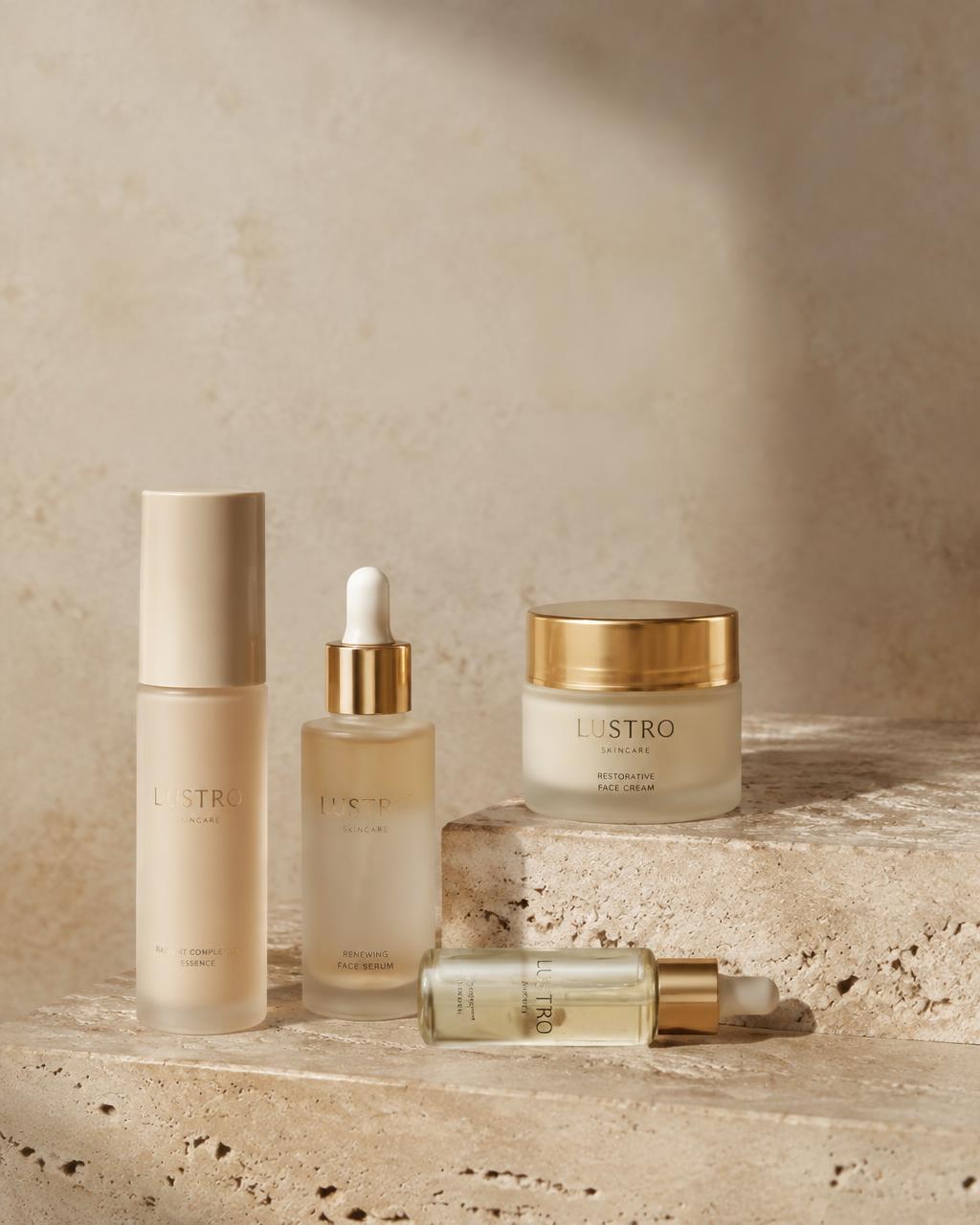
Premium and department store brands place a greater emphasis on the sensorial experience. The textures may be more refined, and the products often feature complex formulations and proprietary ingredient blends. Packaging is usually more substantial, using glass jars and weighted materials. While some contain fragrances, many luxury brands also offer ranges for sensitive skin. The choice between them often comes down to personal budget and preference for either a functional product or a more luxurious daily ritual.
What to check before you buy
Before committing to a full-size product, consider these final points.
- Texture and Finish: Does it feel pleasant on your skin? Does it absorb well or leave a residue? Does it sit well under make-up?
- Fragrance: Is the product scented? If you have sensitive skin or a preference for unscented products, check the ingredients list for 'parfum' or 'fragrance'.
- Packaging: Is the packaging hygienic? A pump dispenser or squeezy tube is generally more sanitary than an open jar, which exposes the contents to air and bacteria.
- SPF: For daytime use, a moisturiser containing broad-spectrum SPF 30 or higher is a practical choice. However, remember that you may still need a separate, dedicated sunscreen to ensure adequate protection.
Our recommendations
Questions, answered
What is the difference between a gel, cream, and lotion?+
The main difference is the ratio of water to oil, which dictates the texture. Gels are typically oil-free and have a light, water-based consistency. Lotions are thinner than creams with a higher water content, absorbing quickly. Creams are thicker, with a higher concentration of oil, providing more intensive moisture for drier skin types.
Should I use a different moisturiser for day and night?+
It is not essential, but it can be beneficial. Day creams are often lighter in texture to sit well under make-up and frequently contain SPF. Night creams are typically richer and focus on repair and hydration, often containing active ingredients that are best used away from sunlight.
How do I know if my skin is dry or just dehydrated?+
Dry skin is a skin type, meaning it naturally produces less oil. Dehydrated skin is a condition where the skin lacks water, which can affect any skin type, including oily. Dehydrated skin might feel tight and look dull, but it can still produce oil. The solution for dehydrated skin is to introduce water-based hydrating products with ingredients like hyaluronic acid.
Maya tests hundreds of products a year so you don't have to. Formulas first, packaging second.