Winter boots: a buying guide for wet weather
Choosing boots for cold, wet weather requires balancing practicality with personal style. This guide explains what to look for in a pair that will see you through to spring, from sole construction to waterproofing.
By Sophie Lang · Updated 8 October 2026
Fashion Help Center may earn a commission when you buy through links on this page. This never affects which products we choose or what we say about them. Learn more.
This guide covers the essential features of a durable winter boot, including grip, water resistance, and warm linings. It outlines what to expect at different market levels and provides a checklist for trying them on.
A reliable pair of winter boots is a wardrobe fundamental. As temperatures drop and the likelihood of rain increases, footwear must work harder, providing warmth, grip, and protection from the elements. The right pair will keep your feet dry and comfortable without compromising on your daily wardrobe choices.
The search for a winter boot involves considering function just as much as form. While style is subjective, the practical qualities that define a good boot are more universal. Materials, sole construction and fit are the key components that determine whether a pair is suited to commuting on frosty mornings or simply walking on damp pavements. This decision forms part of a wider approach to dressing for the season, alongside learning how to layer for weather that changes by the hour.
What makes a good winter boot?
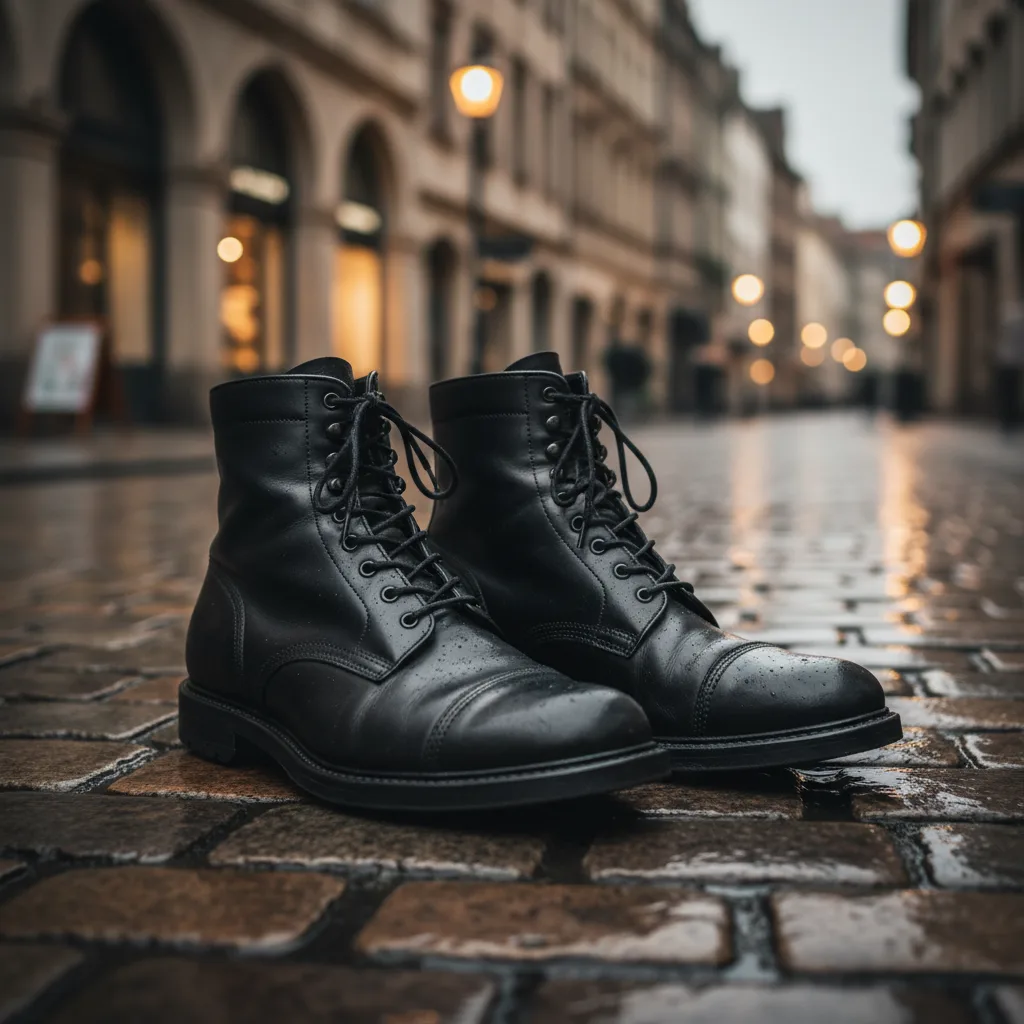
The most important feature for wet weather is the sole. Look for rubber soles with a deep, defined tread, often called a commando or lug sole. These channels provide superior grip on slippery surfaces compared to smooth leather or shallow synthetic soles. A thicker sole also lifts your foot further from the cold ground.
Next, consider the level of water resistance you need. Many leather and suede boots are treated to be water-repellent, which is sufficient for light rain and brief exposure. For heavy downpours or walking through puddles, look for boots specified as waterproof. This often involves a waterproof membrane between the outer material and the lining, or a construction like a storm welt, which adds an extra layer of protection where the upper joins the sole.
Warmth is another priority. Linings made from shearling, wool, or fleece offer significant insulation. The trade-off can be breathability; natural fibres tend to perform better than synthetics in this regard. An unlined leather boot can also be a good option, allowing for customisable warmth by pairing with thermal or wool socks.
Finally, think about the boot's shaft height and heel. A sturdy block heel or a flat sole provides the most stability. The height of the boot shaft affects both warmth and styling. Ankle boots are versatile and work well with various trouser shapes, while mid-calf or knee-high boots offer more coverage against wind and rain. Taller styles can work particularly well with skirts, dresses, and certain coat lengths, which is a consideration explored in our guide on how to wear a long wool coat without looking swamped.
Finding your boots: from high street to pre-owned
High street retailers offer a broad selection of current styles, making it a good place to assess which shapes and heights you prefer. Materials will range from polyurethane (PU) and other synthetics to real leather and suede. Pay close attention to the construction, particularly the sole attachment and zip quality, as these can be indicators of longevity.
In the premium and designer market, the focus shifts towards higher-grade materials and more robust construction methods, such as Goodyear welting, which makes a boot easier to resole. These boots are often presented as a long-term investment, with classic designs that are intended to be worn for many years. You will find more options with full shearling linings and specialised weatherproof leathers.
The pre-owned market is another useful avenue. It can provide access to higher-quality boots from premium brands at a more accessible price point. When buying second-hand, carefully inspect photographs for signs of heavy wear, paying particular attention to the condition of the heel, the creasing in the leather, and the amount of tread left on the sole.
What to check before you buy
When you try on a pair of boots in a shop, a few simple checks can help you assess their quality and fit.
- Try boots on in the afternoon, as feet can swell slightly during the day.
- Wear the same type of socks you intend to wear with them through winter.
- Ensure there is a thumb's width of space between your longest toe and the end of the boot.
- Walk around on a hard surface to check for any rubbing or pinching, particularly at the heel and across the widest part of your foot.
- Check the zips or fastenings to ensure they operate smoothly.
- Feel inside for any intrusive seams or joins that could cause discomfort.
Caring for your new boots
Once you have found the right pair, proper maintenance will extend their life. Regular cleaning and the use of appropriate protective sprays or creams will help shield them from water damage and salt stains. For guidance on specific materials, see our advice on how to care for leather shoes so they last for years.
Our recommendations
Questions, answered
Are leather or synthetic boots better for winter?+
Both have their merits. Leather is durable, breathable, and moulds to your foot over time, but requires maintenance to stay water-resistant. Synthetic materials and rubber are often fully waterproof and require less care, but may be less breathable and durable than high-quality leather.
How can I tell if a boot sole has good grip?+
Look for a sole made of rubber with deep, widely spaced grooves or patterns, known as lugs. A deeper tread provides better traction on wet and uneven surfaces. Smooth, hard plastic or leather soles offer very little grip in winter conditions.
Should I buy winter boots in a larger size for thick socks?+
It is best to try boots on with the socks you plan to wear. If you are between sizes or intend to wear very thick wool socks, going up a half size can be a good idea. However, a boot that is too large can cause your foot to slide, leading to blisters, so a snug but not tight fit is ideal.

Sophie runs our buying guides and keeps a spreadsheet of cost-per-wear for everything she owns.