Caring for your nails between manicures
A professional manicure provides a polished finish, but daily care is what truly determines the health and strength of your nails. Here is how to look after them between appointments.
By Maya Okafor · 16 October 2026 · Updated 8 October 2026 · 6 min read
Regular manicures, whether professional or at-home, are a good way to keep hands and nails looking neat. Yet the period between appointments is when the groundwork for strong, healthy nails is truly laid. Consistent care can prevent breakage, splitting, and dryness, ensuring your next manicure has the best possible canvas to work on.
Looking after your nails does not require a complex or time-consuming regimen. It involves a series of small, intentional habits, from how you file your nails to protecting your hands during household chores. By incorporating these practices into your weekly routine, you can maintain the condition of your nails and cuticles long after you have left the salon.
Handle cuticles with care
The cuticle is a thin layer of skin at the bottom of the nail plate, and its primary function is to act as a protective barrier for the nail matrix—the area where new nail cells are created. Damaging this barrier can leave the new nail vulnerable to harm. For this reason, it is generally advised not to cut your own cuticles.
A safer approach is to gently push them back. The best time to do this is after a bath or shower, when the skin is soft and pliable. Use a soft flannel or a wooden orange stick wrapped in cotton wool to carefully ease the cuticle back. Follow this by applying a dedicated cuticle oil or cream to moisturise the area and keep it supple. This simple step prevents the skin from becoming dry and overgrown.
File, don't saw
The tool and technique you use to file your nails have a significant impact on their strength. Harsh, gritty emery boards can be too aggressive for many nail types. A softer file, such as a glass or crystal version, glides over the nail more smoothly and can be easily cleaned.
The most common mistake is filing back and forth in a sawing motion. This action can fray the nail tip, creating microscopic tears that lead to peeling and splitting. Instead, file in one direction only, moving from the outside edge toward the centre. Lift the file away from the nail and return to the starting point to repeat the motion. This technique seals the keratin layers at the nail's edge, creating a stronger finish.
Consider a shape that complements your lifestyle. While long, pointed nails can be striking, they are also more prone to breaking. A softly squared or 'squoval' shape is often a more durable staple for daily activities.
Hydration is fundamental
Just as your skin benefits from moisture, so do your nails. Dehydrated nails can become brittle and prone to breakage. This hydration comes from both within—by drinking plenty of water—and from topical applications. Make a habit of using a hand cream throughout the day, particularly after washing your hands, which can strip away natural oils.
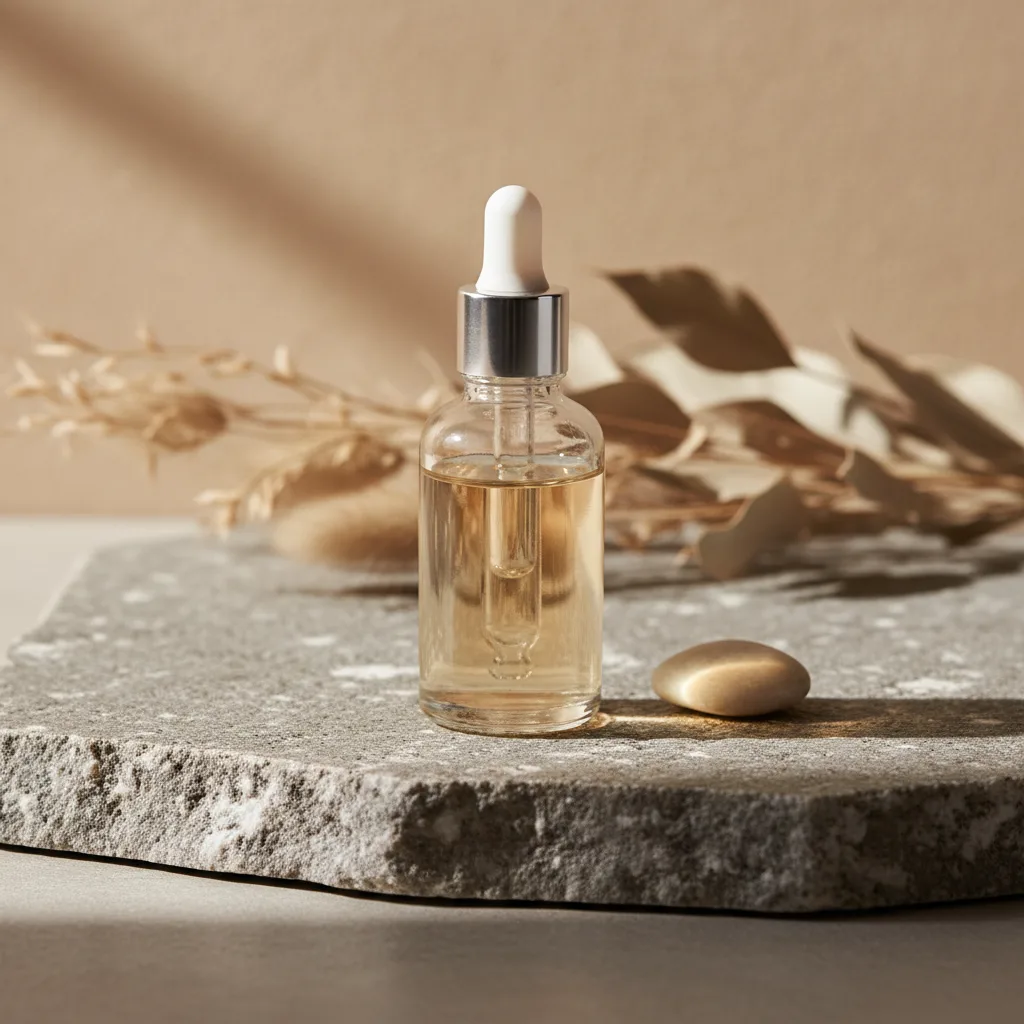
Pay special attention to your cuticles. A dedicated cuticle oil is one of the most effective products for maintaining nail health. These oils are formulated with ingredients that penetrate the skin and nail plate, delivering concentrated moisture. Massaging a drop of oil into the base of each nail nourishes the matrix, which in turn supports the growth of a stronger, more flexible nail. Incorporating this into your evening routine, perhaps as one of your slow Sunday rituals, allows the oil to work undisturbed overnight. This is a core part of a consistent daily routine for your hands.
Protect your hands and nails
Nails are porous and absorb water readily. When they are saturated, the nail cells expand, and as they dry, they contract. This rapid change in size can weaken the nail structure over time. Prolonged exposure to water and cleaning agents during household chores is a common cause of soft, peeling nails.
The solution is simple: wear rubber gloves. Keep a pair by the kitchen sink for washing up and another with your cleaning supplies. This single habit can make a substantial difference to the resilience of your nails. Similarly, just as you think about caring for leather shoes against the elements, protect your hands from cold, dry air in winter by wearing gloves outdoors to prevent moisture loss from your skin and nails.
Consider a break from polish
While nail polish provides a hard, protective layer, both the polish itself and the removal process can be taxing on nails. Many traditional polishes and long-wear gels can prevent the nail plate from absorbing moisture. The solvents used to remove them, particularly pure acetone for gels, are extremely drying.
Scheduling regular breaks from polish for a few days or a week allows nails time to rehydrate and recover. During this 'naked' period, focus on hydration with cuticle oil and hand cream. Keep your nails short and neatly filed to prevent snags. If you notice any superficial yellowing, which can sometimes occur from dark pigments, a break can help the discolouration to grow out. Using a base coat is an effective way to prevent this staining in the first place.
If you have persistent concerns about your nail health, such as significant discolouration, thickening, pitting or brittleness that does not improve with these care tips, it is advisable to speak with a GP, pharmacist or a qualified dermatologist. They can help identify any underlying issues.
Maya tests hundreds of products a year so you don't have to. Formulas first, packaging second.