How to buy a wool coat: a buying guide
A good wool coat is a significant purchase, designed to last for years. Our guide explains what to look for in terms of fabric, construction and fit, from the high street to the pre-owned market.
By Sophie Lang · Updated 8 October 2026
Fashion Help Center may earn a commission when you buy through links on this page. This never affects which products we choose or what we say about them. Learn more.
This guide explains what to look for when investing in a wool coat, from fabric composition to key construction details. We cover the differences you can expect between high street, premium,designer, and pre-owned coats.
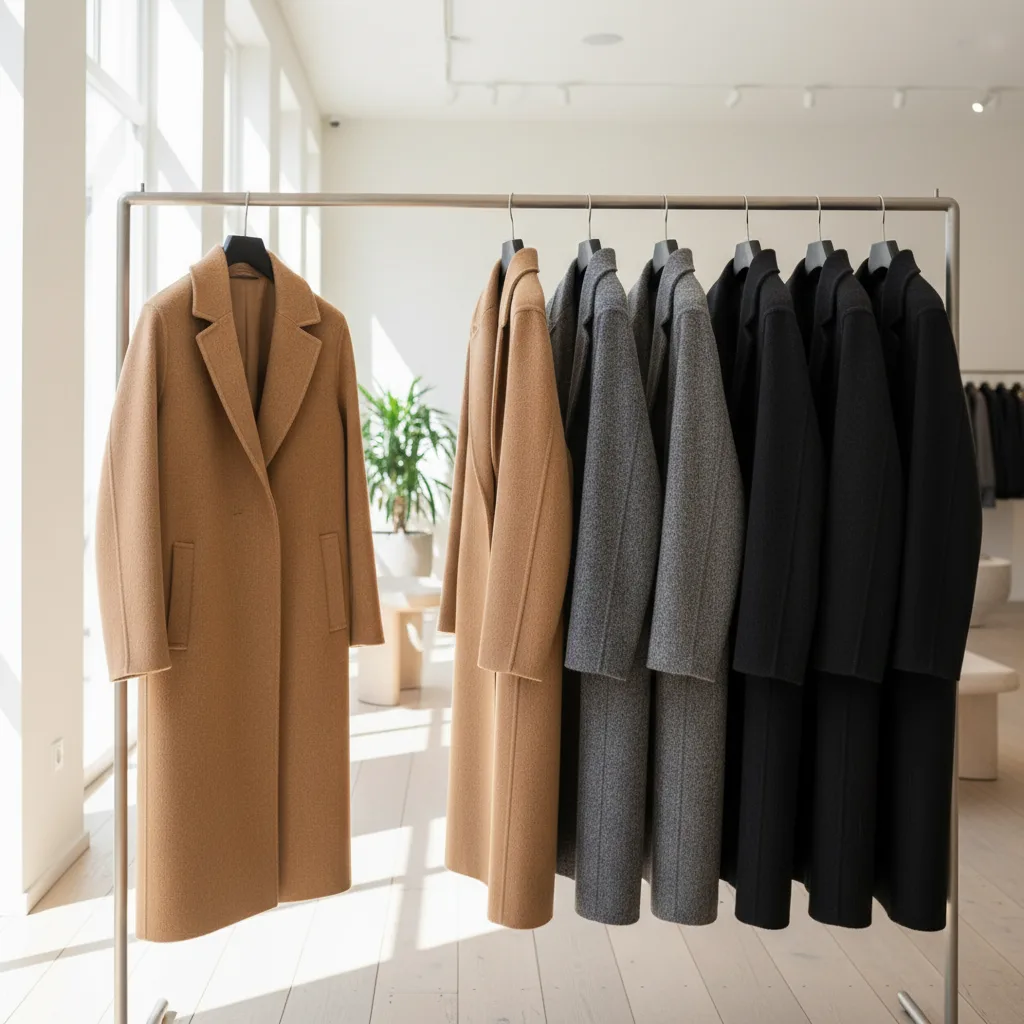
A well-chosen wool coat is a winter wardrobe cornerstone. It provides warmth, but also structure and polish to an outfit. As it is a significant purchase, understanding the differences in quality, fabric, and construction is key to finding one that will serve you well for many seasons. This guide explains what to consider at various price points.
High Street
When shopping on the high street, the fabric composition label is your most important tool. Look for the highest percentage of wool possible. Many coats will be a blend of wool and synthetic fibres like polyester, polyamide, or acrylic. While a small percentage of synthetics can add durability, a higher wool content generally offers better warmth and breathability.
Pay attention to the feel of the fabric; it should not feel overly stiff or scratchy. Check the construction: look for neat stitching, securely attached buttons, and a full lining, which helps the coat hang correctly and slip on easily over other layers.
Premium and High-End High Street
In the premium category, expect a significant step up in fabric quality. Coats are often made from 100% wool, such as virgin wool, or rich blends including alpaca, mohair or a small amount of cashmere for softness. These materials offer superior warmth, a softer feel, and a better drape.
Construction will be more refined. Look for details like bound seams, horn or corozo buttons, and functional cuffs. The cut will often be more considered, creating a more distinct silhouette. This is where you might also find more varied colour palettes beyond the standard black, grey, and camel. Navy, for example, can be a softer alternative to black.
Designer
Designer coats are defined by exceptional fabric and craftsmanship. Materials may include pure cashmere, double-faced wool (two layers of fabric woven together for warmth without the need for a lining), or specialised wools. The feel of these materials is noticeably different.
The focus is on cut, silhouette, and finishing. Expect hand-stitched details, intricate pattern cutting, and unique design elements that reflect the brand's aesthetic. The fit is precise and the construction is intended to last for a very long time.
Pre-owned and Vintage
The resale market is an excellent place to find high-quality wool coats, offering access to premium and designer brands that might otherwise be out of reach. Vintage coats, in particular, can be exceptionally well made, often from pure wools that are less common today.
When buying pre-owned, inspect the item carefully. Check for moth damage (small holes), worn areas at the cuffs and collar, and any persistent odours. Always check the condition of the lining, as this can be costly to replace. Factor in the cost of professional cleaning and any potential alterations when assessing the price.
Key considerations for any wool coat
Beyond where you buy, thinking about length and colour is crucial. A longer coat can offer more warmth and a more formal look, but it is important to consider your height and proportions; a very long coat can sometimes overwhelm a smaller frame. You can find more specific advice in our guide on how to wear a long wool coat.
Fit is also paramount. When trying on a coat, wear a thick jumper underneath to ensure there is enough room in the shoulders and across the back. You should be able to move your arms freely. Consider how the coat looks both open and buttoned up. For those building a professional wardrobe, a classic, well-fitting coat is a foundational piece; see our advice on building a workwear wardrobe.
What to check before you buy
- The fabric label: Check the wool percentage. Higher is generally better for warmth and drape.
- The lining: Is it fully lined? A full lining helps a coat last longer and sit better. Check for any tears or pulling.
- Pockets: Are they deep enough to be useful? Check the stitching and lining of the pockets for quality.
- Seams: Look for straight, even stitching with no pulling or puckering.
- Buttonholes and buttons: Buttonholes should be neatly stitched. Buttons should feel secure. Check if a spare button is included.
- The hang: Does the coat hang straight from the shoulders? Does the collar sit flat against the neck?
Our recommendations
Questions, answered
How can I tell if a wool coat is good quality?+
Check the fabric composition label for a high percentage of wool. Feel the fabric—it should have a good weight and not feel excessively rough. Examine the details: a full lining, neatly finished seams, and securely attached buttons are all signs of good construction.
What is the warmest type of wool for a coat?+
Generally, fabrics like cashmere and alpaca are known for providing excellent warmth for their weight. Double-faced wool, which uses two layers of fabric, is also very warm without being bulky. However, the density and weave of any wool fabric will contribute to its overall warmth.
How should a wool coat fit?+
A wool coat should fit comfortably over your regular clothing, including a thick knit. You should have full range of motion in your arms and shoulders without the fabric pulling. The shoulder seams should ideally sit on your shoulder point, and the sleeves should cover your wrist bone.

Sophie runs our buying guides and keeps a spreadsheet of cost-per-wear for everything she owns.