
Building a workwear wardrobe from scratch
Returning to the office, starting a new job, or simply refreshing your professional look requires a plan. Here is how to build a functional, modern workwear wardrobe that works for you.
By Eleanor Hart · 19 August 2026 · Updated 8 October 2026 · 6 min read
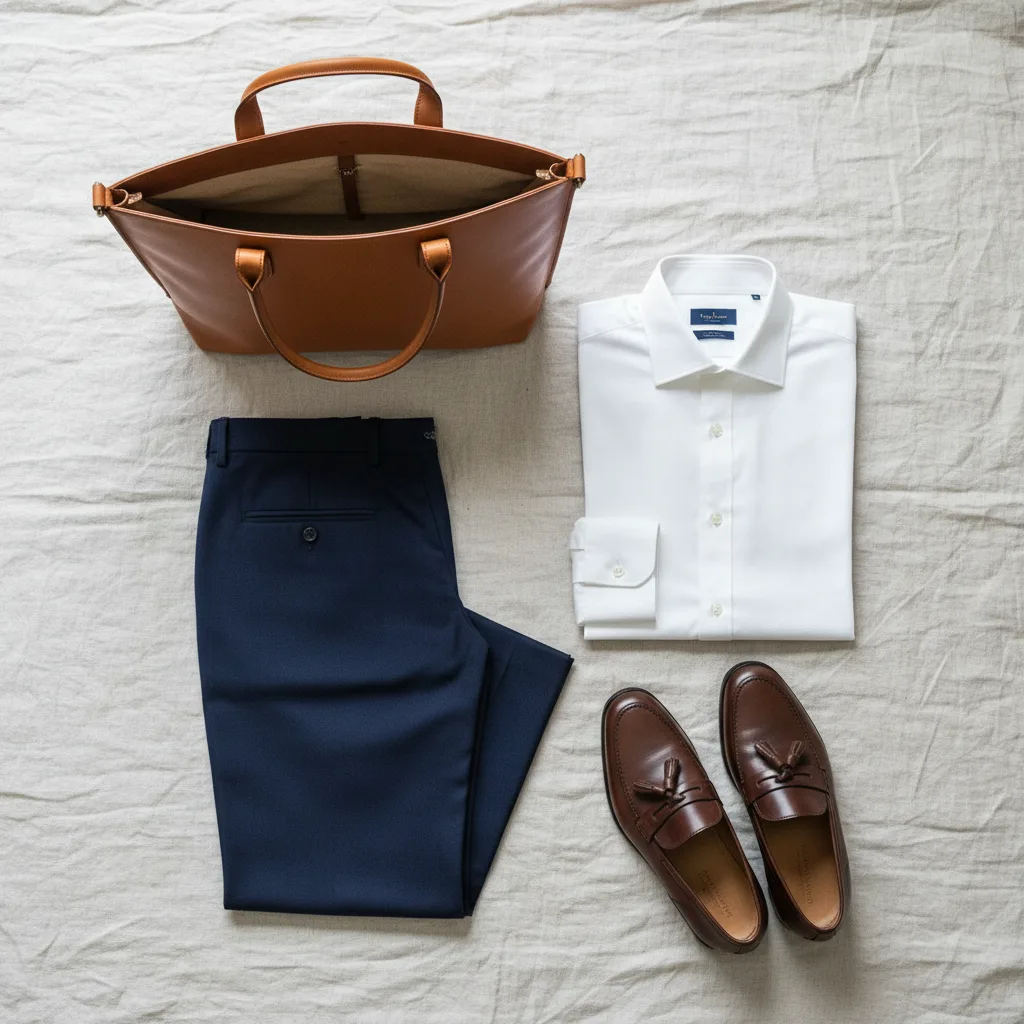
The landscape of work has changed, and with it, the professional wardrobe. Whether you are entering the workforce, changing careers, or adapting to a hybrid schedule, building a collection of clothes for the office can feel like a significant task. The old, rigid rules of corporate dressing have relaxed, but the need for a polished, appropriate appearance remains.
A methodical approach, focused on versatility and longevity, is more effective than impulse buying. By creating a considered framework based on your specific workplace, you can assemble a functional and contemporary wardrobe piece by piece, ensuring every item earns its place.
Start with a strategy
Before making any purchases, the first step is analysis. Observe your new workplace to understand its specific dress code. Notice what managers and senior staff are wearing; this provides the clearest indication of expectation, whether it is formal, business-casual, or relaxed. This context will inform every choice you make.
Next, establish a core colour palette. A disciplined palette is the foundation of a hard-working wardrobe, as it guarantees that pieces can be mixed and matched easily. Neutral colours are the most practical base. Consider building your wardrobe around two or three from charcoal, camel, cream, and black. Navy can be a particularly useful alternative to black. Once your base neutrals are selected, you can choose one or two accent colours, such as burgundy, forest green, or a soft blue, to add interest through tops and accessories.
The core components of a modern workwear wardrobe
With a strategy in place, you can begin to identify the key pieces. Trousers form the backbone of most work wardrobes. Prioritise one or two pairs in high-quality, neutral fabrics that fit you well. Straight-leg, wide-leg, and tailored ankle-grazer styles are all versatile options. In a more creative office, dark-wash, non-distressed jeans, or even structured barrel-leg jeans, can be appropriate.
A well-chosen blazer or structured jacket is a foundational staple. It adds authority to an outfit and can be worn over trousers, dresses, and skirts. A single-breasted style in navy, grey, or black is a reliable starting point. For tops, focus on good materials. Simple crew-neck jumpers in merino wool, silk-blend blouses, and crisp cotton shirts will serve you far better than fleeting trends. Learning how to judge the quality of a knit is a valuable skill when shopping.
A simple dress or a versatile skirt provides an alternative silhouette. Look for A-line, pencil, or slip skirts in neutral colours and fabrics that coordinate with your tops and blazers. A simple shift or wrap dress in a block colour can be a simple, one-step outfit solution for busy mornings.
Finally, consider your footwear. A comfortable, smart pair of shoes is non-negotiable. Leather loafers, block heels, and elegant flats are practical for most offices. In colder weather, a sleek leather ankle boot works well with both trousers and skirts. Ensure they are comfortable enough for your commute and a full day at your desk.
How to build your wardrobe over time
There is no need to acquire an entire work wardrobe in one shopping trip. A phased approach allows for more considered purchases and spreads the cost over time.
First, focus on securing one complete, reliable outfit. This might consist of one pair of excellent trousers, a blazer, two simple tops that can be worn with them, and one pair of appropriate shoes. This initial investment gives you a dependable option for important meetings and key office days.
Next, begin to build variety. Add a second bottom-half option, such as another pair of trousers in a different colour or a skirt. Introduce two or three more tops, perhaps including a fine-gauge knit or a blouse in one of your chosen accent colours. This is also a good time to consider adding a versatile dress.
Once this core is established, you can refine and expand. This later stage is the time to invest in items like a high-quality wool coat for winter, a structured everyday tote bag, or a second pair of shoes. With the fundamentals in place, you have the freedom to add pieces with more personality, such as a printed blouse or a jumper in a brighter shade, knowing they will integrate with the rest of your wardrobe.
Adapting for hybrid working
A hybrid schedule demands clothing that balances comfort for home with polish for the office. The most useful items are those that transition between the two environments.
Smart knitwear is central to this way of dressing. A well-made cashmere or merino wool jumper can be paired with tailored trousers for an office day or worn with smart, dark-coloured joggers for video calls at home. Look for ‘knitted jackets’ or structured cardigans, which offer the comfort of knitwear with the professional silhouette of a blazer.
Fabric choice is also important. Materials with some natural stretch and crease-resistance are particularly useful. Look for high-quality jersey, ponte, and wool-blends that feel comfortable to wear all day but still look sharp and presentable on screen and in person.
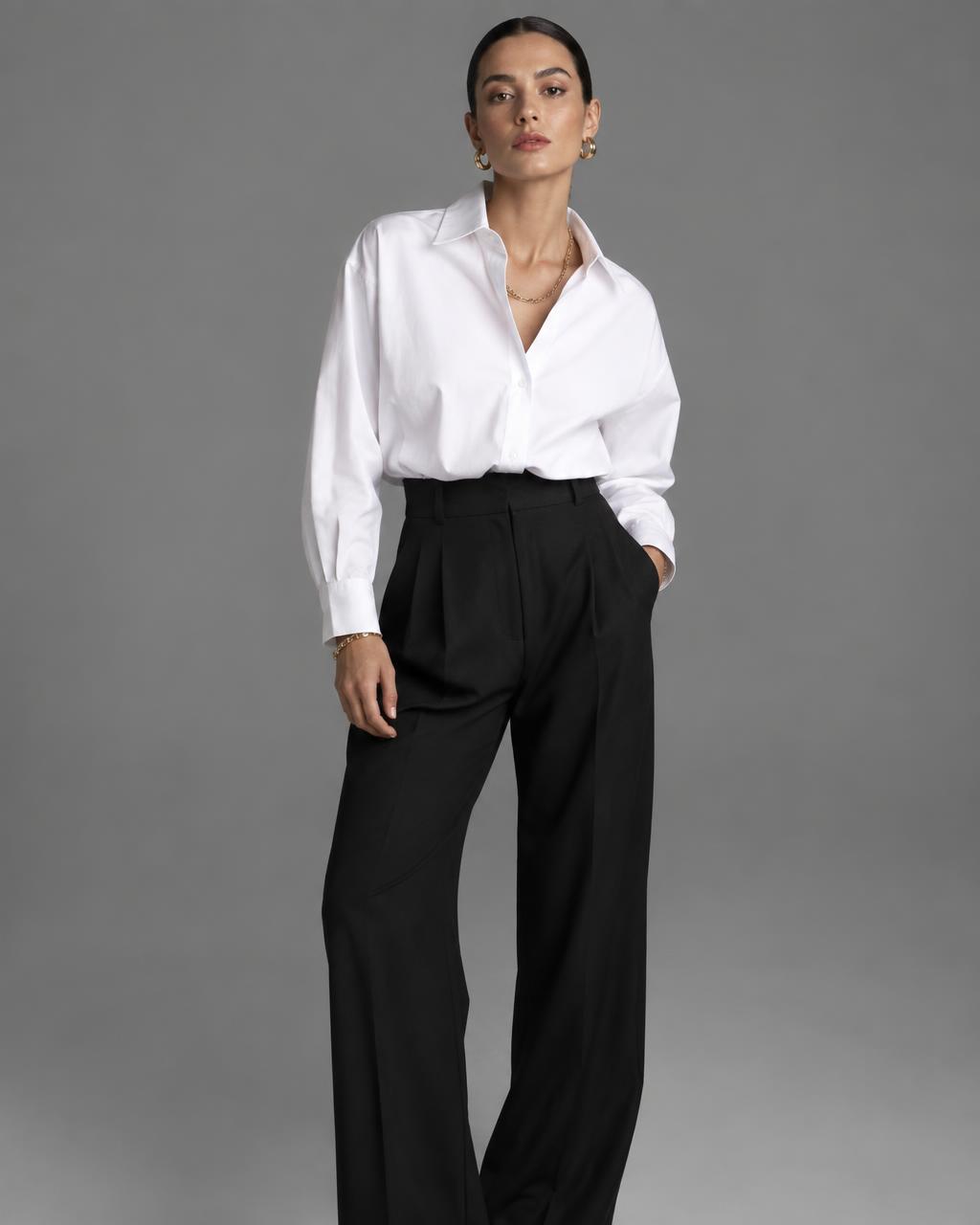
Eleanor has spent fifteen years editing fashion for print and digital titles. She believes in fewer, better things and a very good coat.

