
How to tell if a knit is well made before you buy it
A good jumper is a wardrobe cornerstone, but judging quality on the shop floor can be difficult. Here are the tangible signs to look for that separate a great knit from one that will quickly lose its shape.
By Eleanor Hart · 1 October 2026 · Updated 8 October 2026 · 6 min read
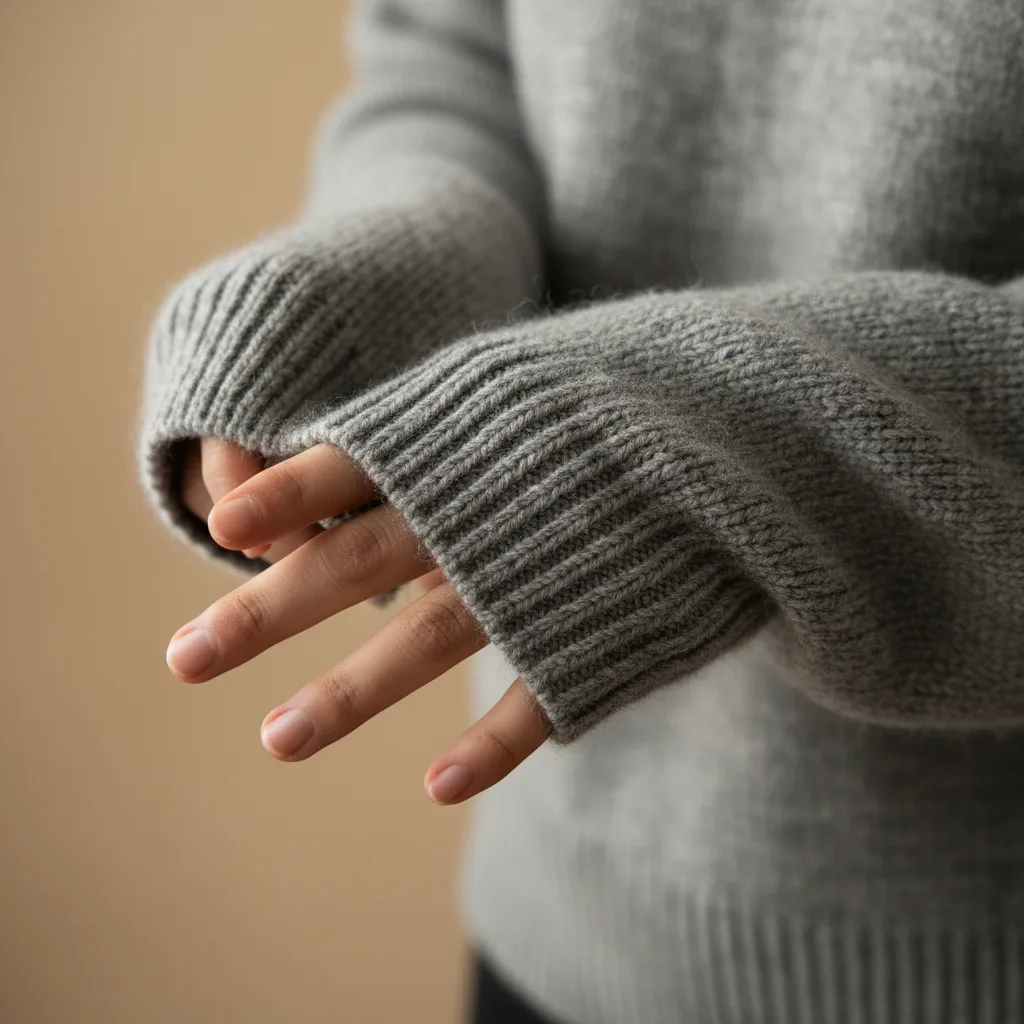
A well-chosen jumper or cardigan is a true wardrobe workhorse. It can be a simple, comfortable layer for working from home or a foundational piece for more structured outfits. As temperatures fluctuate, knowing how to layer for weather that changes by the hour becomes crucial, and good knitwear is central to this. Yet judging the quality of a knit can feel like a dark art. A high price is not always a guarantee of a superior garment, while a more affordable find can sometimes surprise with its longevity. The key is to look past the price tag and brand name and instead focus on a few specific details of its materials and construction.
Start with the Fibre Content
The first port of call is the care label, which details the fabric composition. Natural fibres like wool, cashmere, alpaca, and cotton offer warmth and breathability. Wool, for example, is naturally temperature-regulating and durable; learning about its properties can be useful when considering other garments like coats, as detailed in this How to buy a wool coat: a buying guide. Cashmere is exceptionally soft and warm for its weight, though quality can vary significantly. For more on this, consult our guide to buying cashmere: how to judge quality at any budget.
Synthetic fibres such as acrylic, polyester, and nylon are often blended with natural fibres to add durability, stretch, or reduce cost. A small percentage of synthetics is not necessarily a bad thing – a touch of nylon can reinforce a delicate merino wool, for example. However, jumpers made predominantly from synthetic materials can lack breathability, feel static-prone, and may show signs of wear more quickly.
Assess the Knit Density and Tension
Next, pay attention to the knit itself. Gauge refers to the number of stitches per inch; a higher gauge means a tighter, denser knit. Gently hold the jumper up. If you can see through it easily, it is a loose knit. While this can be a stylistic choice, particularly for summer pieces, a very loose or uneven knit in a winter jumper can suggest it may not hold its shape well or provide much warmth. Feel the weight of the garment. A denser knit will generally feel heavier and more substantial than a lower-quality one of the same size and fibre. Run your hand over the surface. The knitting should feel smooth and consistent, without obvious snags or variations in tension.
Examine the Seams and Finishing
How a jumper is assembled is one of the clearest indicators of quality. Look closely at the seams, particularly where the sleeves join the body. The highest quality knitwear is often “fully fashioned”. This means each individual panel—the front, back, and sleeves—is knitted into its final shape and then meticulously linked together. You can identify this by looking for small, neat stitch marks that follow the line of the seam. This method is precise, creates a better fit, and reduces fabric waste.
A more common and less expensive method is “cut and sew”, where the panels are cut from a large roll of knitted fabric and then stitched together, usually with an overlocking machine. These seams can be bulkier and may not lie as flat. Check the cuffs, hem, and neckline for any loose threads or untidy finishing.
Perform a Stretch Test
A good knit needs to have good recovery, meaning it returns to its original shape after being stretched. Poor elasticity is why some jumpers develop saggy elbows or a misshapen hem over time. To test this, gently take a cuff or a section of the ribbed hem, stretch it slightly, and then let it go. It should snap back into place immediately. If it remains slightly stretched or returns to shape slowly, the garment is likely to lose its form with wear and washing. You can do the same with the main body of the jumper. A light pull should not leave a lasting distortion in the fabric. This simple test is a strong predictor of how well the garment will stand up to being worn.
Check for Signs of Pilling
Pilling—those small, annoying balls of fibre that appear on a jumper's surface—occurs when short fibres rub together and become tangled. Almost all knitwear will pill to some degree, especially in high-friction areas like under the arms and down the sides. However, poorly made knitwear will often show signs of this before it even leaves the shop. To check, briskly rub a small, hidden area of the garment (such as an inside seam) between your thumb and forefinger for a few seconds. If fibres immediately start to bunch up and form a bobble, the jumper is likely to pill excessively. Jumpers made from long, strong fibres that are tightly spun and knitted are far more resistant to pilling.
Remember to Factor in Care
Finally, even the most superbly constructed jumper requires proper care to maintain its quality and longevity. Always check the care label before washing. Many natural fibre knits benefit from being hand-washed in cool water or machine-washed on a dedicated wool or delicate cycle. Use a gentle, pH-neutral detergent designed for wool and silk. After washing, avoid wringing the garment out. Instead, gently squeeze out excess water and roll it in a clean towel. Reshape the jumper while it is still damp and lay it flat to dry, away from direct heat or sunlight. To prevent stretching and distortion at the shoulders, always store knitwear folded in a drawer or on a shelf, rather than on a hanger. This simple routine will preserve the shape, softness, and appearance of your knitwear for many seasons.
Eleanor has spent fifteen years editing fashion for print and digital titles. She believes in fewer, better things and a very good coat.

