How to look after curly hair as the weather turns
Autumn's arrival brings colder air, wind, and central heating, all of which can affect curly hair. A few adjustments to your routine can help maintain moisture and definition through the changing seasons.
By Maya Okafor · 12 September 2026 · Updated 8 October 2026 · 6 min read
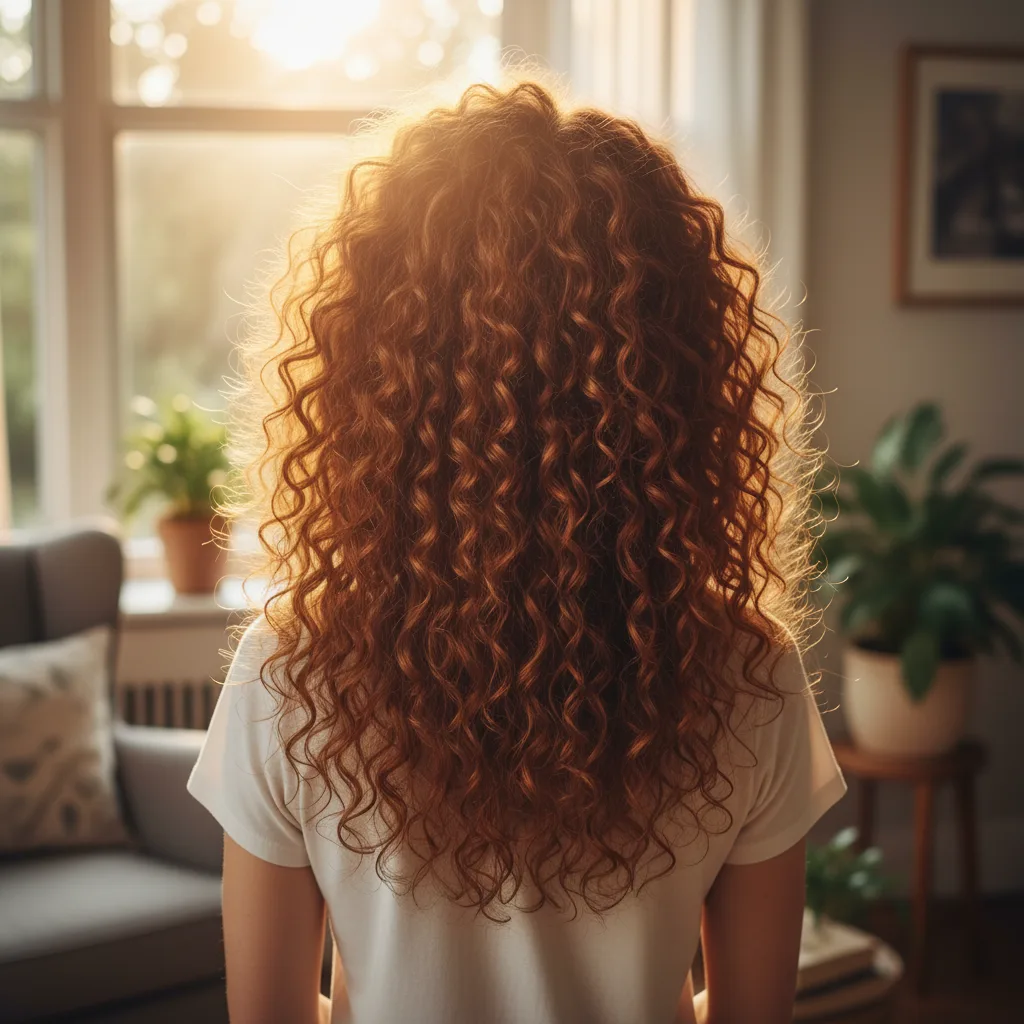
The shift from summer into autumn requires adjustments in many parts of our lives, from the clothes we wear to the way we care for our skin. Your hair is no different, particularly if it is curly, coily, or wavy. The structure of curly hair can make it more susceptible to dryness, and the environmental changes that autumn brings—cold winds, low humidity, and dry indoor heating—can disrupt its moisture balance, leading to frizz, brittleness, and a loss of definition.
However, this does not mean you are destined for difficult hair days until spring. By understanding the specific challenges of the season and making a few thoughtful changes to your regular hair care regimen, you can keep your curls healthy, hydrated, and defined throughout the colder months.
Prioritise Moisture
The primary challenge for curly hair in autumn and winter is a lack of moisture. Cold air holds less water than warm air, and when you move indoors, central heating creates an equally arid environment. This combination actively draws moisture from your hair strands, leaving them dry and vulnerable.
To counteract this, focus on adding and sealing in hydration. This is the time to introduce richer, more emollient products into your routine. A deep conditioner or intensive moisture mask, used weekly, can make a significant difference. Set aside time to let it absorb properly; this can be a pleasant part of your `Slow Sunday rituals worth borrowing`. Apply the treatment to clean, damp hair and leave it on for at least 20 minutes before rinsing thoroughly.
After washing, a good leave-in conditioner is a valuable step for maintaining hydration. To seal that moisture in, you can layer a small amount of a suitable hair oil or cream over your styling products. This helps to smooth the hair's cuticle, locking in the products underneath and providing a barrier against the dry air.
Re-evaluate Your Cleansing Routine
While keeping hair clean is important, frequent washing with harsh shampoos can strip the natural oils that protect your hair and scalp. During autumn, when hair is already prone to dryness, this effect can be magnified. You might consider extending the time between washes, if it suits your lifestyle and scalp health.
When you do wash your hair, opt for the gentlest cleanser possible. Many people with curly hair find success with co-washing, which means washing the hair with a specific cleansing conditioner instead of a traditional shampoo. Alternatively, look for sulphate-free shampoos, which clean the hair effectively but are generally less stripping.
Pay attention to water temperature. Hot water can feel comforting on a cold day, but it can also strip moisture from your hair and scalp. Use lukewarm water for washing and rinsing to help preserve your hair's natural balance.
Protect Your Hair While You Sleep
Night-time friction is a common cause of frizz and breakage. As you move during sleep, your hair rubs against your pillowcase, roughing up the cuticle and creating tangles. Cotton, a popular bedding material, is also highly absorbent and can wick moisture away from your hair overnight.
A simple switch to a silk or satin pillowcase can reduce this friction significantly. Their smooth surfaces allow your hair to glide, minimising damage and helping it retain moisture. If you prefer not to change your bedding, wearing a silk or satin bonnet, scarf, or turban to bed provides the same protection.
Combining this with a loose protective style can preserve your curl pattern and make mornings simpler. A 'pineapple'—a high, loose ponytail on top of your head—keeps your curls from being crushed as you sleep. Protecting your hair at night reduces the need for extensive restyling, a welcome time-saver if you rely on `A five-minute make-up routine for busy mornings`.
Use Heat with Caution
As temperatures drop, air-drying becomes less practical. While it is always the gentlest option, it is not always feasible to wait hours for your hair to dry. This often leads to an increased reliance on heat styling tools.
If you use a hair dryer, the diffuser attachment is your most important accessory. A diffuser disperses the air stream over a wider area, which helps to form defined, frizz-free curls without concentrating harsh heat on one spot. For best results, use your dryer on its lowest heat and speed settings. This approach is gentler and helps prevent the 'halo' of frizz that high-powered drying can create.
Regardless of the tool or setting, applying a heat protectant product to damp hair beforehand is essential. It forms a protective barrier that helps to reduce damage from high temperatures.
Manage Your Indoor Environment
The air inside your home can be just as challenging for your hair as the weather outside. Central heating systems create a warm but very dry environment, depleting the ambient humidity and leaving your hair feeling parched and static-prone.
A simple way to combat this is by introducing a humidifier into your home, particularly in your bedroom. It releases a fine mist of water into the air, increasing the humidity to a more comfortable level. This benefits not only your hair but also your skin and respiratory comfort. Incorporating one can be one of those `Small changes for a calmer bedroom` that has a noticeable effect.
If you find that your scalp becomes particularly dry, flaky, or irritated during the change of seasons, it is always wise to seek professional advice. Your GP, a pharmacist, or a certified trichologist can provide a specific diagnosis and recommend appropriate solutions.

Maya tests hundreds of products a year so you don't have to. Formulas first, packaging second.