
A wardrobe clear-out that actually works
Confronting a disorganised wardrobe can be daunting. This methodical approach helps you sort, store and dispose of clothing, creating a more functional and considered space.
By Sophie Lang · 30 August 2026 · Updated 8 October 2026 · 6 min read
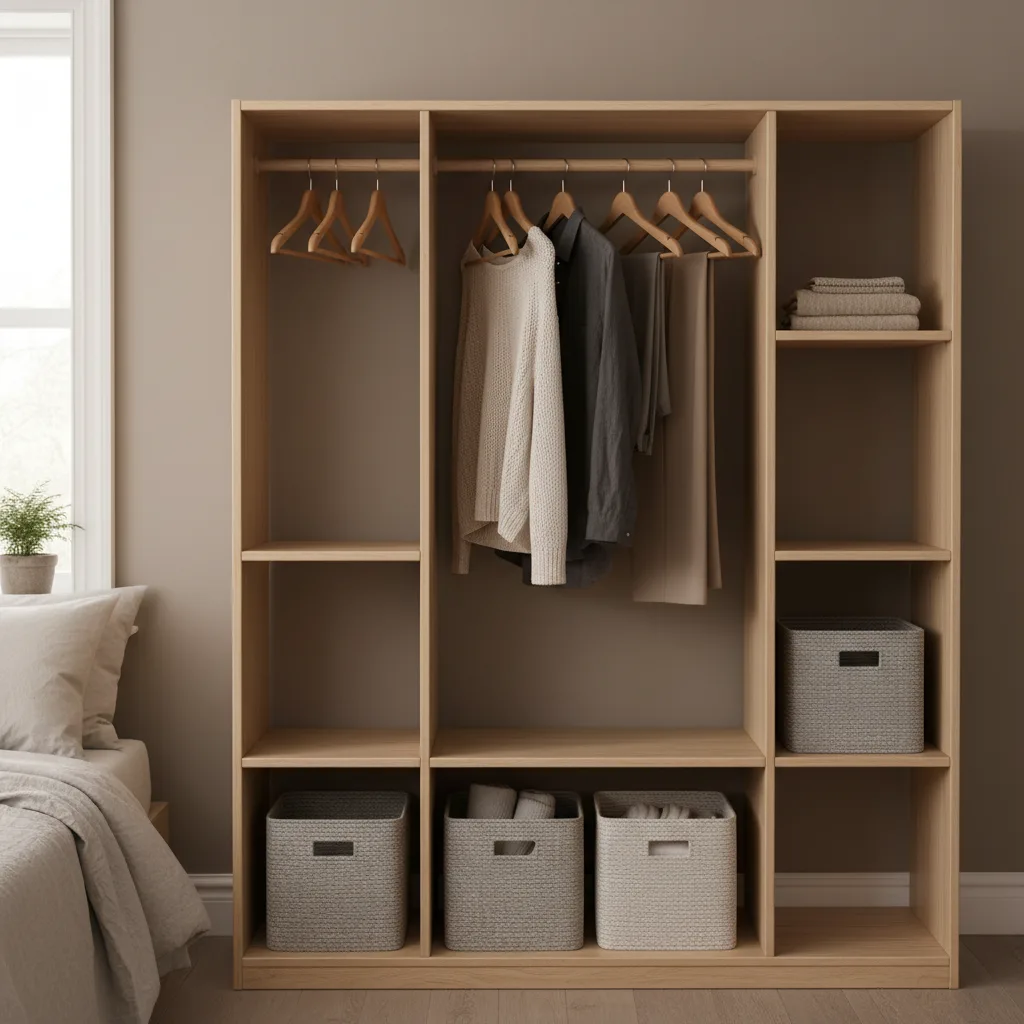
Facing an overfull wardrobe is a familiar challenge. The process of editing down your collection of clothes can seem overwhelming, but a methodical approach transforms it from a chore into a constructive exercise. The aim is not simply to discard items, but to build a more functional and considered selection of clothes that you genuinely wear and value.
Before you begin, set aside a specific block of time, such as a full afternoon. Prepare by gathering boxes or bags and labelling them clearly: Keep, Sell/Donate, Repair, and Undecided. A clear system from the start is key to an effective sort-out.
The initial sort
The most effective first step is to remove every single item from your wardrobe and drawers. While this creates temporary chaos, it allows you to see the full extent of your clothing collection without anything hiding in the back. Grouping everything into categories—trousers, jumpers, dresses, T-shirts—makes the task more manageable.
With your four piles ready, assess each item individually. Ask practical questions: When did I last wear this? Does it fit me now? Does it suit my current lifestyle? A party dress may be beautiful, but if your life no longer requires it, it is simply taking up valuable space. This is also an opportunity to reflect on your needs, perhaps for a more considered workwear collection. Be honest and realistic to avoid refilling your wardrobe with things you think you *should* wear, rather than things you actually do.
Making decisions
The ‘Keep’ pile should contain the clothes you reach for regularly, that fit well, and that you feel good wearing. It's the foundation of your working wardrobe. As you add items to this pile, check them over. Are they still in good condition? Understanding how to judge the quality of knitwear and other garments helps you decide if they are worth holding on to. Put this pile to one side; it will be the last to go back in.
This pile is for items in good, clean condition that no longer serve you. For higher-value pieces from desirable brands, consider using online resale platforms. Ensure you take clear, well-lit photographs and write an honest description of the item's condition. For other items, donation is an excellent option. Check with local charity shops to see what they are accepting, or find a clothing bank.
Clothes with minor fixable issues—a missing button, a fallen hem, a small tear—belong here. Place them in a dedicated bag. It is crucial to be realistic about your intentions. If you know you will not get around to mending them yourself, locate a local tailor or repair service and commit to taking the items in within the next week. A pile of clothes waiting for repair can quickly become another source of clutter.
This is often the most challenging category, filled with sentimental items or 'what if' pieces. The best way to handle this is to remove them from your immediate view. Box them up, label the box clearly with the contents and a date three to six months in the future. Store it away, perhaps in a loft or under a bed. If you have not needed or thought about any of the items by that date, it becomes much easier to move them into the 'Sell/Donate' pile without regret.
The reorganisation
With the wardrobe now empty, take the opportunity to clean it thoroughly. Wipe down shelves, dust rails, and vacuum the floor. A fresh space makes the final step more satisfying. When you begin returning the 'Keep' items, think about organisation. Grouping by category is a logical first step, followed by arranging items by colour within each category. This creates a visually pleasing order and makes finding what you want much faster.
Consider your storage tools. Using a single style of slim, non-slip hanger can create a surprising amount of extra space and gives the inside of your wardrobe a uniform look. Fold heavy knitwear and place it on shelves or in drawers to prevent the shoulders from stretching out of shape. For smaller items like socks, underwear, and belts, drawer dividers are useful.
Out-of-season clothing, such as heavy winter coats or lightweight summer dresses, can be stored elsewhere to free up prime wardrobe space. Use vacuum-seal bags, canvas storage boxes, or garment bags, and place them on a high shelf or under the bed. A well-organised wardrobe contributes to a less cluttered and more restful bedroom environment.
Maintaining order
Once you have put in the effort to clear out and organise, the goal is to maintain it. A simple 'one in, one out' rule can be very effective; for every new item you purchase, an old one must be sold or donated. This prevents the slow creep of clutter from returning.
Instead of waiting for the wardrobe to become overwhelming again, schedule smaller, seasonal edits. Spending an hour at the start of spring and autumn to reassess your clothing makes the task much less daunting. Keep a small basket in your wardrobe for items that need mending, so they can be dealt with promptly rather than being put back in a drawer. The aim is a functional wardrobe that serves you well, not a sparse or overly curated museum of clothing. It's about making your daily routine simpler.

Sophie runs our buying guides and keeps a spreadsheet of cost-per-wear for everything she owns.